
Currently Empty: 0.00₹

Low-Glycemic Index Foods for Fat Reduction
February 11, 2025
0 Comments
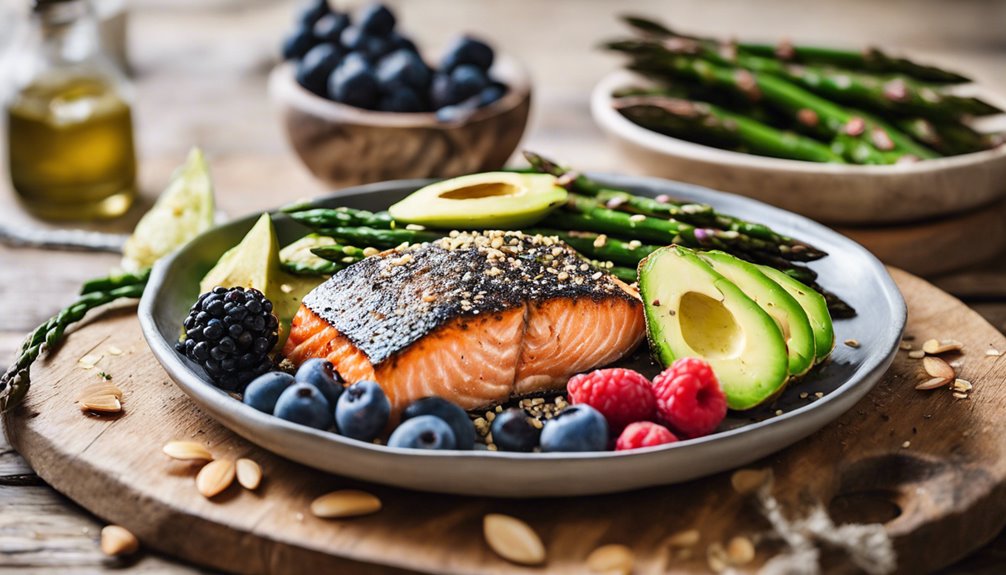
You can fuel your body's fat-burning potential by incorporating low-glycemic index foods into your diet. Focus on whole grains like brown rice and quinoa, non-starchy veggies like broccoli and kale, lean proteins like chicken and fish, and low-glycemic fruits like berries and apples. These foods will help regulate your blood sugar levels, keep you full, and boost your metabolism. By making these foods a staple in your diet, you'll be on your way to a slimmer, healthier you – and there's even more to discover about how to make this lifestyle change a lasting success.
Key Takeaways
- Incorporate whole grains like brown rice, quinoa, and whole-wheat bread into meals to help feel full and satisfied.
- Eat non-starchy vegetables like broccoli, kale, and cauliflower to provide fiber, vitamins, and antioxidants for weight loss.
- Include lean proteins like chicken, fish, and lentils in diet to boost fat burning and increase metabolism.
- Choose low-glycemic fruits like berries, apples, and pears to regulate blood sugar levels and support weight loss.
- Develop a meal planning strategy that involves tracking eating habits, mindful eating, and staying committed to a low-glycemic diet.
Whole Grains for Weight Loss
When you're trying to shed those extra pounds, whole grains can be your best friends.
They're packed with fiber, vitamins, and minerals that help you feel full and satisfied, making it easier to stick to your diet.
One of the key whole grain benefits is that they're low on the glycemic index, which means they won't cause a spike in blood sugar levels.
To reap the benefits, try incorporating brown rice, quinoa, and whole-wheat bread into your meals.
Grain preparation tips include soaking grains overnight to reduce cooking time and adding them to soups and salads for an extra nutritional boost.
Non-Starchy Vegetables for a Slimmer You
Your body's metabolism gets a boost from non-starchy vegetables, which are rich in fiber, vitamins, and antioxidants, making them a crucial component of your weight loss journey. These veggies are low in calories and high in nutrients, helping you feel full while keeping your diet on track.
| Vegetable | Cruciferous Benefits | Leafy Varieties |
|---|---|---|
| Broccoli | Anti-inflammatory | |
| Kale | Anti-cancer properties | Yes |
| Cauliflower | Rich in vitamins and minerals | |
| Spinach | Boosts eye health | Yes |
| Brussels Sprouts | Supports detoxification |
Incorporating these non-starchy vegetables into your diet will not only support your weight loss goals but also provide you with a wealth of health benefits. By focusing on cruciferous and leafy varieties, you'll be well on your way to a slimmer, healthier you.
Lean Proteins to Boost Fat Burning
As you focus on nutrient-dense foods to support your weight loss goals, you'll want to pair those non-starchy vegetables with lean proteins that help boost fat burning.
Including protein-rich foods in your diet can increase your metabolism, helping your body burn fat more efficiently.
Good protein sources for fat burning include lean meats like chicken and turkey, fish like salmon and tuna, and plant-based options like lentils, chickpeas, and tofu.
These protein sources provide essential amino acids that help build and repair muscle tissue, further supporting your fat-burning efforts.
Low-Glycemic Fruits for a Healthy Diet
Fruits are a crucial component of a healthy diet, and choosing low-glycemic options can help regulate blood sugar levels and support weight loss.
You'll want to focus on fruits with a low glycemic index, which measures how quickly a food raises blood sugar levels.
Berries are a great choice, with benefits including high antioxidant levels and fiber content. Strawberries, blueberries, and raspberries are all low on the glycemic index, making them a great addition to your diet.
Other low-glycemic fruits include apples, oranges, and pears. By incorporating these fruits into your diet, you'll not only be supporting weight loss but also providing your body with essential nutrients and fiber.
Meal Planning Strategies for Success
Developing a meal planning strategy is crucial to incorporating low-glycemic index foods into your daily diet.
You'll want to create a plan that's realistic, achievable, and tailored to your lifestyle. Start by keeping daily journals to track your eating habits, identifying patterns and areas for improvement.
This will help you pinpoint where you can substitute high-glycemic foods with low-glycemic alternatives. Practice mindful eating by savoring each bite, paying attention to hunger and fullness cues, and eating slowly.
This approach will help you develop a healthier relationship with food and make sustainable changes. By planning ahead and staying committed, you'll be more likely to stick to your low-glycemic diet and achieve your weight loss goals.
Frequently Asked Questions
Can I Eat Low-Glycemic Foods if I Have Diabetes?
As a diabetic, you can definitely include low-glycemic foods in your diet, but it's crucial to prioritize diabetic management by closely monitoring your blood sugar levels and adjusting your carb intake accordingly to ensure stable blood monitoring.
Will Low-Glycemic Foods Help Me Build Muscle?
When you're trying to build muscle, timing is crucial; you'll want to fuel your workouts with protein-rich foods that promote synergy, but will low-glycemic foods specifically help? Research suggests they can support muscle growth, especially when paired with strategic protein intake.
Are Low-Glycemic Foods More Expensive Than Regular Foods?
You're probably wondering if you'll break the bank switching to healthier options. Truth is, you don't have to sacrifice your budget for better food; with some planning, you can find affordable alternatives that fit your budget constraints and make healthy eating more accessible.
Can I Eat Low-Glycemic Foods if I'm Vegetarian or Vegan?
You can easily follow a vegetarian or vegan diet, incorporating vegetarian protein sources like legumes, nuts, and seeds, and plant-based alternatives to meat and dairy, which are readily available and affordable.
Will Low-Glycemic Foods Help Me Reduce Bloating and Gas?
You're wondering if certain foods can ease bloating and gas. Eating foods that support digestive health, like those rich in fiber and polyphenols, helps regulate gut bacteria, which can reduce uncomfortable symptoms and promote a happier belly.
Conclusion
You've made it to the end of this guide to low-glycemic index foods for fat reduction! By now, you know the importance of whole grains, non-starchy veggies, lean proteins, and low-glycemic fruits in your weight loss journey. You're equipped with meal planning strategies to boost your fat-burning potential. Remember, it's all about balance and consistency. Stick to your healthy eating plan, and you'll be on your way to a slimmer, healthier you.