
Currently Empty: 0.00₹

How to Create a Sustainable Diet Plan
February 6, 2025
0 Comments
To create a sustainable diet plan, start by auditing your current eating habits to identify areas for improvement. Then, shift towards seasonal and local eating to reduce your carbon footprint. Cutting back on meat consumption, even just a little, can make a big impact. Explore plant-based protein sources and healthy fats to spice up your meals. By making these changes, you'll not only boost your health but also contribute to a more sustainable food system. Want to learn more about how to make a positive impact on the planet through your diet?
Key Takeaways
- Conduct a food audit to identify patterns and habits in current eating habits and create a realistic grocery list.
- Embrace seasonal and local eating to promote a deeper connection with the food system and reduce carbon footprint.
- Make healthy swaps in beverages and packaging by opting for fair-trade and organic coffee and tea, and choosing items with minimal packaging.
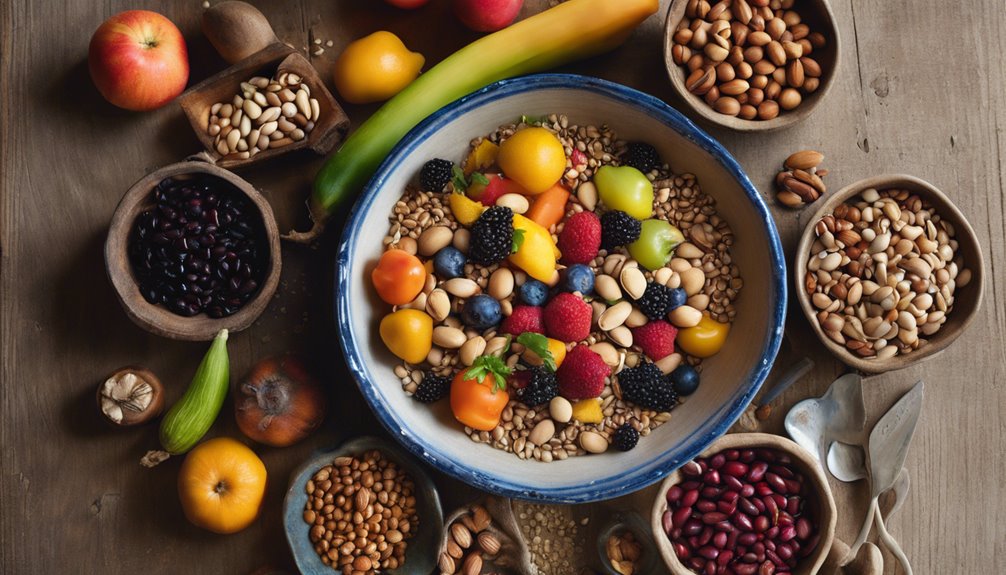
- Incorporate plant-based protein sources and healthy fats into meals, such as legumes, seeds, nuts, avocado oil, and coconut oil.
- Gradually reduce meat consumption by implementing Meatless Mondays or adopting a flexitarian diet to mitigate environmental issues.
Start With a Food Audit
Your current eating habits are the foundation of your sustainable diet plan, and a food audit helps you understand what's working and what's not.
By keeping a food diary, you'll track everything you eat and drink for a week or two, revealing patterns and habits you may not be aware of.
This will help you identify areas for improvement, such as relying too heavily on processed foods or skipping meals.
Reviewing your diary will also help you create realistic grocery lists, ensuring you're buying only what you need and reducing food waste.
Be honest with yourself, and don't worry about judging your current habits – this audit is a crucial step towards creating a sustainable diet plan that works for you.
Embrace Seasonal and Local Eating
Seasonal and local eating is a cornerstone of a sustainable diet plan, as it promotes a deeper connection with the food system and reduces your carbon footprint.
By choosing seasonal produce, you're supporting local farmers and reducing transportation emissions. Visit your local farmers' market or join a community-supported agriculture (CSA) program to get fresh, seasonal produce delivered to your doorstep.
Embracing farm-to-table eating also means being open to trying new fruits and vegetables as they come into season. Websites like Local Harvest can help you find local farmers' markets and CSAs in your area.
Reduce Your Meat Consumption
As you reshape your diet to prioritize sustainability, it's time to examine the role meat plays in your daily meals.
Animal agriculture is a significant contributor to greenhouse gas emissions and resource depletion, making reducing meat consumption a crucial step towards a sustainable diet.
Consider implementing Meatless Mondays, where you skip meat for one day a week, or adopting a flexitarian diet, which emphasizes plant-based meals with occasional meat consumption.
Even small changes, like swapping one meat-based meal for a plant-based option, can make a significant impact.
Get Creative With Plant-Based Options
Embracing a more sustainable diet often means stepping out of your culinary comfort zone, and that's where plant-based options come in.
You'll find that exploring vegan staples like tofu, tempeh, and seitan can add variety to your meals. Don't be afraid to experiment with different flavor profiles by incorporating herbs, spices, and marinades.
Try pairing plant-based protein sources with whole grains, nuts, and seeds to create satisfying and filling dishes. As you get creative, you'll discover that plant-based eating is more than just salads and smoothies.
It's a world of flavors and textures waiting to be explored. By incorporating more plant-based options into your diet, you'll not only reduce your environmental impact but also expand your culinary horizons.
Minimize Food Waste at Home
You're likely guilty of it: throwing away spoiled food or leftovers that have gone uneaten.
This habit not only wastes money but also contributes to environmental issues.
To minimize food waste at home, start by organizing your food storage. Identify what you already have in your pantry, fridge, and freezer, and plan your meals around those items.
Create a meal planning calendar to ensure you use up leftovers and avoid buying unnecessary items.
When shopping, stick to your list and avoid impulse purchases.
Additionally, learn proper food storage techniques to extend the shelf life of your groceries.
Choose Sustainable Seafood
When it comes to seafood, you'll want to make informed choices to minimize your environmental impact.
You'll need to know which types of seafood to avoid due to overfishing or destructive harvesting methods, and look for certifications like "dolphin-safe" or "sustainably caught" to ensure your seafood is responsibly sourced.
Additionally, supporting local fisheries can help promote eco-friendly practices and preserve marine ecosystems.
Know What to Avoid
Sustainable seafood is an essential aspect of an eco-friendly diet, but deciphering what's good and what's not can be overwhelming.
You've likely heard various food myths about seafood, but it's crucial to separate fact from fiction.
Some fish, like shark and swordfish, contain high levels of mercury, making them harmful to your health and the environment.
Additionally, avoid seafood with harmful additives like antibiotics and artificial coloring.
Farmed fish, such as salmon and tilapia, may contain these additives, so it's essential to be aware of their presence.
Look for Certifications
When shopping for seafood, you want to make sure you're supporting eco-friendly brands that prioritize sustainability.
The Marine Stewardship Council (MSC) certification is a trusted label that ensures the seafood you're buying comes from responsibly managed fisheries and farms. Look for this certification on food labels to guarantee that your purchase is supporting sustainable fishing practices.
Additionally, the Aquaculture Stewardship Council (ASC) certification verifies that farmed seafood meets strict environmental and social standards.
Support Local Fisheries
Fresh catches from local fisheries can be a great way to incorporate sustainable seafood into your diet.
By choosing local, you're reducing carbon footprint from transportation and supporting your local community.
Look for community-supported fisheries, which allow you to buy a share of the catch directly from the fishermen.
This model promotes responsible fishing practices and helps maintain the health of local fish populations.
Avoid fish farming, which can harm the environment and local ecosystems.
Instead, opt for wild-caught seafood from local fisheries that use eco-friendly practices.
Your decision won't only benefit the environment but also your taste buds, as local seafood is often fresher and more flavorful.
Rethink Your Beverage Choices
Your daily beverage choices can have a significant impact on your overall health and the environment.
Sugary drinks, like soda and sweet tea, contribute to weight gain, increased risk of chronic diseases, and a significant carbon footprint.
Instead, opt for sparkling waters infused with fruits or herbs for a refreshing and healthy alternative. Juice alternatives, like vegetable-based drinks, provide essential vitamins and antioxidants without the added sugars.
When it comes to coffee and tea, choose fair-trade and organic options to support sustainable farming practices.
Be Mindful of Packaging and Labels
As you rethink your beverage choices, it's equally important to consider the impact of packaging and labels on the environment.
When you're shopping, be mindful of products with excessive or non-biodegradable packaging. Opt for items with minimal, recyclable, or biodegradable packaging instead.
Check labels for certifications like "BPA-free" or "compostable" to ensure you're making an eco-friendly choice. Practice conscious consumerism by choosing products with sustainable packaging, and avoid those with unnecessary wrapping or single-use plastics.
Make Healthy Swaps for Common Ingredients
When creating a sustainable diet plan, you'll want to swap out common ingredients for healthier alternatives.
For instance, you can replace traditional baking fats with healthier options like avocado oil or coconut oil, and trade refined sugars for natural sweeteners like honey or maple syrup.
Healthy Fats for Baking
Baking often relies on fats to provide moisture, texture, and flavor, but traditional options like butter and shortening can be detrimental to your health.
You can make a healthier swap by choosing alternative fats that provide beneficial fatty acids. For instance, using avocado oil or coconut oil can add healthy fats to your baked goods while providing a unique flavor.
Other options include nuts and seeds like walnuts, almonds, and chia seeds, which are rich in omega-3 and omega-6 fatty acids. These healthy fats can help lower cholesterol levels and improve heart health.
When baking, try replacing traditional fats with these alternatives to create a more sustainable and nutritious treat.
Refined Sugar Replacements
You've successfully swapped out unhealthy fats for healthier alternatives in your baked goods, but refined sugar is still lurking in many recipes.
Now it's time to tackle sugar alternatives. Refined sugar can wreak havoc on your blood sugar levels, energy, and overall health.
Natural sweeteners like honey, maple syrup, and coconut sugar offer a healthier alternative. You can also try sugar substitutes like stevia and monk fruit sweetener, which are calorie-free and don't raise blood sugar levels.
When substituting sugar in recipes, keep in mind that natural sweeteners have a stronger flavor, so you may need to use less. Experiment with different sugar alternatives to find the one that works best for you and your taste buds.
Plant-Based Protein Sources
Your pantry is likely stocked with common ingredients like eggs, dairy, and meat-based products, which can be high in saturated fat, cholesterol, and sodium.
Make the swap to plant-based protein sources to reap the benefits. Legume options like lentils, chickpeas, and black beans are rich in protein, fiber, and minerals. They're also versatile and can be added to soups, stews, and salads.
Seed benefits include high protein content and healthy fats. Try incorporating chia seeds, hemp seeds, or flaxseeds into your diet. You can add them to oatmeal, yogurt, or salads for an extra nutritional boost.
Frequently Asked Questions
Can I Still Eat My Favorite Comfort Foods on a Sustainable Diet?
You can still enjoy your favorite comfort foods, but try opting for healthier comfort food alternatives and practice mindful indulgence, allowing yourself small portions on occasion, so you don't feel deprived while making sustainable choices.
How Do I Afford Organic and Locally Sourced Ingredients?
Coincidentally, you're already making conscious choices; now, prioritize budget shopping and coupon clipping to afford organic and locally sourced ingredients, allowing you to indulge in those comfort foods while staying within your means.
Will I Get Enough Protein Without Eating Meat Every Day?
You're wondering if you'll get enough protein without daily meat. Don't worry, you can explore meat alternatives like tofu, tempeh, and seitan, and consider protein supplements like whey or plant-based options to ensure you meet your daily protein needs.
Can I Still Eat Out at Restaurants and Be Sustainable?
Did you know that the average American eats out 4-5 times a week? You can still enjoy dining out while being sustainable – opt for fast food alternatives like salad bars or ethnic eateries, and practice mindful ordering by choosing seasonal, locally-sourced options.
Do I Need to Completely Eliminate Dairy From My Diet?
You don't need to completely eliminate dairy, but consider reducing or replacing it with dairy alternatives and exploring other calcium sources like fortified plant-based milk, dark leafy greens, and calcium-set tofu to maintain a balanced diet.
Conclusion
By following these simple yet impactful steps, you'll be well on your way to creating a sustainable diet plan that's a game-changer for the planet – and your taste buds will thank you a million times over! Remember, every bite counts, and with these tweaks, you'll be making a significant dent in reducing your environmental footprint. So, go ahead, take the first bite towards a greener, healthier you!