
Currently Empty: 0.00₹

How to Stay Hydrated for Optimal Weight Loss
February 11, 2025
0 Comments
To stay hydrated for optimal weight loss, aim to drink at least half an ounce of water per pound of body weight daily. Identify dehydration symptoms like dry mouth, fatigue, and dark urine, and create a schedule to drink water at specific times. Invest in a portable water bottle and use apps to track your intake and receive reminders. Make hydration a habit by incorporating it into your daily routine, and prioritize it to control appetite, aid digestion, and boost energy levels – now, take the next step to optimize your hydration strategy.
Key Takeaways
- Calculate daily water intake based on age, sex, weight, and activity level, aiming for at least half an ounce of water per pound of body weight.
- Track water intake using a water tracking app or physical log to stay on track and adjust the daily goal based on individual needs.
- Recognize early signs of dehydration, such as dry mouth and lips, fatigue, headaches, and dark urine color, to take corrective action.
- Make hydration a habit by incorporating it into daily activities, such as drinking water before meals and during workouts.
- Monitor urine output to gauge hydration levels, aiming for a pale yellow urine color and a free-flowing urine stream to ensure optimal weight loss.
The Importance of Hydration in Weight Loss
Drinking enough water is a crucial component of any successful weight loss journey, and it's essential to understand why.
You see, when you're dehydrated, your body holds onto water, leading to water retention, which can make you feel bloated and sluggish. This can be especially frustrating when you're trying to shed pounds.
Moreover, dehydration can masquerade as hunger pangs, causing you to reach for unhealthy snacks and sabotaging your weight loss efforts.
By staying hydrated, you'll be better equipped to make healthy food choices and stick to your diet plan. Plus, water helps boost your metabolism, supporting your weight loss goals.
Setting Your Daily Water Intake Goal
You're ready to set a daily water intake goal that's tailored to your needs.
To do this, you'll need to calculate your individual requirements based on factors like age, sex, weight, and activity level.
Calculate Your Needs
About 60% of your body is composed of water, which is a pretty compelling reason to prioritize hydration.
Now, it's time to calculate your daily water intake goal. A general rule of thumb is to drink at least half an ounce of water per pound of body weight.
So, if you weigh 150 pounds, aim for 75 ounces (about 2.2 liters) of water daily. However, this amount may vary depending on your activity level, climate, and individual needs.
To get a more accurate estimate, try tracking your water intake for a week to achieve fluid balance. Use a water tracking app or a physical log to monitor your consumption and adjust accordingly.
Monitor Progress Daily
Now that you've determined your daily water intake goal, it's essential to track your progress to ensure you're meeting your target.
Monitoring your progress daily helps you stay on track, make adjustments, and develop a consistent habit.
To effectively track your water intake, try the following:
- Incorporate water tracking into your morning routine, so it becomes second nature.
- Use a physical log or a mobile app to record your daily water consumption.
- Set reminders to drink water at specific times of the day, such as when you wake up or at lunchtime.
- Review your progress regularly to identify patterns and make adjustments as needed.
Identifying Dehydration Symptoms
As you go about your day, it's essential to recognize the warning signs of dehydration.
You'll want to pay attention to physical cues like a dry mouth and lips, as well as feelings of fatigue and headaches.
If you're not hydrating enough, you might also notice that your urine is darker in color, which is a key indicator that your body needs more water.
Dry Mouth and Lips
When dehydration sets in, your body sends out warning signals, and a dry mouth and lips are often among the first signs.
You might find yourself constantly reaching for your lip balm to soothe the dryness and discomfort.
Some common symptoms of dehydration in your mouth and lips include:
- A sticky or dry feeling in your mouth
- Cracked or chapped lips
- A decrease in saliva production, making it harder to swallow or speak
- A rough, sandpapery tongue
To combat these symptoms, try using a mouth mist to quickly rehydrate your mouth and lips.
Additionally, make it a habit to drink water regularly throughout the day to prevent dehydration from setting in.
Fatigue and Headaches
Because dehydration can affect your body's overall performance, you may start to feel sluggish and tired even after getting enough rest.
This morning sluggishness can be a sign of dehydration symptoms, making it difficult to get out of bed or start your day. As dehydration worsens, you may experience headaches, which can range from mild to severe.
These headaches can be a warning sign that your body needs more water. If you're feeling fatigued and experiencing headaches, it's essential to drink water throughout the day.
Even mild dehydration can cause these symptoms, so don't wait until they become severe. By staying hydrated, you can avoid these uncomfortable dehydration symptoms and maintain your energy levels.
Dark Urine Color
You've been drinking water throughout the day to combat fatigue and headaches, but how do you know if you're staying hydrated?
One way to determine your hydration level is by paying attention to your urine color. A dark yellow or amber color is a sign that you're not getting enough water.
This is because your kidneys are concentrating your urine to conserve water, leading to a darker color.
Here are some key things to know about urine analysis:
- A pale yellow or clear color indicates proper hydration
- Dark yellow or amber color signals dehydration
- If your urine is consistently dark, you may need to increase your water intake
- Color significance can vary depending on certain medications, foods, or medical conditions, so it's essential to consult a healthcare professional if you're concerned
Creating a Hydration Schedule
Creating a Hydration Schedule starts with identifying your daily routine and pinpointing opportunities to drink more water.
You'll want to make water intake a habit by incorporating it into your daily activities. Start by tracking your water consumption using a water tracking app or a physical log. This will help you stay accountable and aware of your hydration levels.
Consider using hydration apps like Waterlogged or Hydro Coach that send reminders to drink water throughout the day. Schedule specific times to drink water, such as when you wake up, at meal times, and before exercise.
Infusing Flavor Into Your Water
Now that you've established a hydration schedule, it's time to make drinking water more enjoyable.
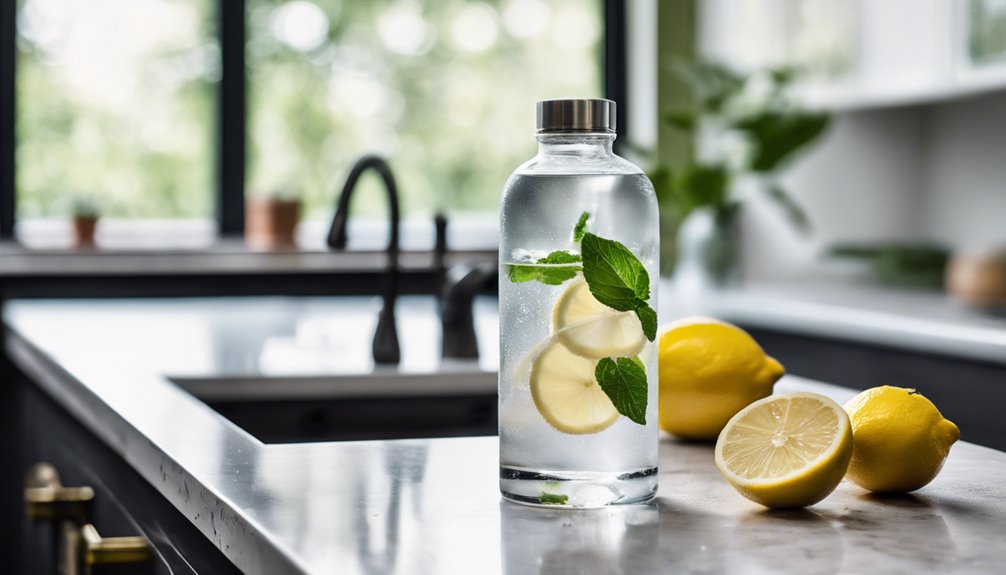
Adding flavor to your water can make a big difference in your hydration habits. You don't have to stick to plain water; infuse it with fresh fruits or herbal twists to give it a refreshing taste.
Try these options:
- Add slices of lemon, lime, or orange to your water for a burst of citrus flavor
- Mix in some berries like strawberries, blueberries, or raspberries for a sweet and tangy taste
- Infuse your water with herbal twists like mint, basil, or cilantro for a refreshing and cooling flavor
- Create a fruit-infused water by adding slices of cucumber, carrots, or apples to your water
Staying Hydrated On-The-Go
Three out of five people admit to not drinking enough water while on-the-go, making it a crucial aspect of staying hydrated. You're not alone if you struggle to drink enough water when you're away from home. However, it's essential to stay hydrated, especially when you're trying to lose weight.
| Portable Bottles | Refreshment Apps | Benefits |
|---|---|---|
| Nalgene Tritan | Waterlogged | Tracks water intake |
| S'well | Hydro Coach | Reminders to drink |
| Klean Kanteen | Plant Nanny | Gamifies hydration |
| CamelBak | Fitbit Coach | Tracks overall health |
| Contigo AUTOSEAL | Aqualert | Customizable goals |
Invest in a portable bottle that suits your style, and download refreshment apps that motivate you to drink more water. These tools will help you stay hydrated on-the-go, ensuring you reach your weight loss goals.
Monitoring Your Urine Output
You've stocked up on portable bottles and downloaded refreshment apps to stay hydrated on-the-go, but how do you know if it's really working?
Monitoring your urine output is a simple yet effective way to gauge your hydration levels.
- Color: Aim for a pale yellow color, which indicates you're drinking enough water. Dark yellow or amber-colored urine suggests you need to drink more.
- Flow Rate: If your urine flows freely and easily, you're likely hydrated. A slow or strained flow rate may indicate dehydration.
- Urine pH: Check if your urine pH is within the normal range (5.5-7). An imbalance can signal dehydration or other health issues.
- Frequency: If you're urinating regularly throughout the day, it's a good sign your body is hydrated and functioning properly.
Avoiding Dehydration Triggers
One major obstacle to staying hydrated is the presence of dehydration triggers in your daily life.
You may not even realize you're falling victim to these hidden triggers, perpetuating dehydration myths that hinder your weight loss goals.
Caffeine, for instance, is a common culprit that can lead to dehydration if not balanced with sufficient water intake.
Another trigger is excessive sugar consumption, which can cause your body to lose water as it tries to process the sugar.
Additionally, certain medications, like diuretics, can also contribute to dehydration.
Be aware of these hidden triggers and take steps to mitigate their effects.
Making Hydration a Habit
Making hydration a habit requires intentional effort, but it's a crucial step in maintaining a healthy weight loss journey.
You need to make it a priority and incorporate it into your daily routine.
Here are some tips to help you do so:
- Start your morning routine by drinking a full glass of water as soon as you wake up to rehydrate after a night of sleep.
- Infuse your water with fruits or herbs to give it a refreshing taste and make it more enjoyable to drink.
- Make it a habit to drink water before each meal to control your appetite and aid digestion.
- Include hydration in your evening routine by drinking a glass of water before bed to help your body recover and prepare for the next day.
Frequently Asked Questions
Can I Drink Other Fluids Besides Water for Hydration?
You can drink other fluids besides water for hydration, like sparkling juice or fresh seltzer, but beware of added sugars and calories; opt for low-calorie or unsweetened options to keep you hydrated without compromising your diet.
Will Hydrating Help With Bloating and Water Retention?
You'll be relieved to know that hydrating helps with bloating and water retention by maintaining fluid balance and optimizing water composition in your body, allowing it to function efficiently and reduce uncomfortable puffiness.
Can I Overhydrate and What Are the Symptoms?
You're wondering if you can overhydrate, and the answer is yes! Overhydration leads to a fluid imbalance, causing your body to swell, and potentially even an electrolyte imbalance, which can trigger symptoms like nausea, headaches, and muscle weakness.
Does Hydration Affect Digestion and Nutrient Absorption?
You're wondering if hydration impacts digestion and nutrient absorption. Yes, it does! Proper hydration maintains electrolyte balance, supporting gut health, which in turn enhances digestion and allows your body to absorb essential nutrients more efficiently.
Can Hydration Help With Hunger and Appetite Suppression?
You'll notice hunger pangs decrease when you prioritize daily habits like drinking water first thing in your morning routine. Staying hydrated helps suppress appetite, as even mild dehydration can masquerade as hunger, leading to unhealthy snacking.
Conclusion
You've made it! By now, you've learned the importance of hydration in weight loss, set your daily water intake goal, and discovered ways to make drinking water a habit. Remember, staying hydrated is key to reaching your weight loss goals. Make hydration a priority, and you'll be on your way to a healthier, happier you. Don't let dehydration hold you back – drink up and watch the pounds melt away!